
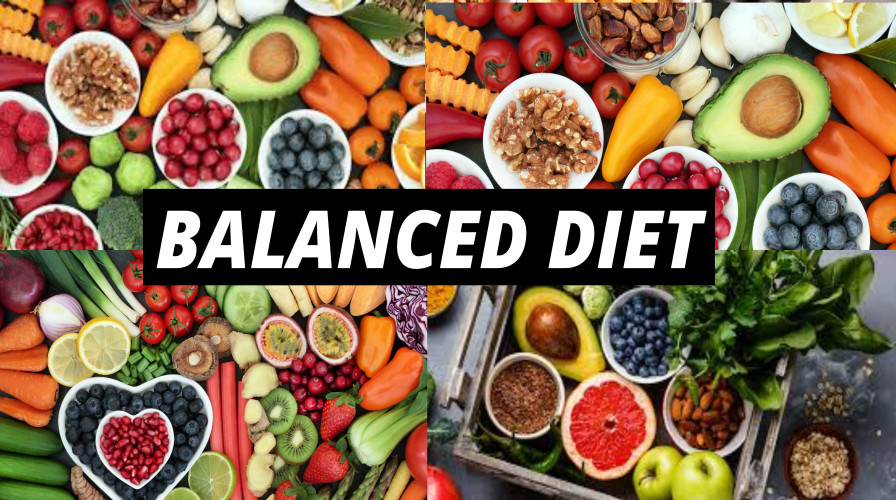
Fuel Your Body: Embracing the Importance of a Balanced Diet for Optimal Health
A balanced diet plays a crucial role in maintaining overall health and well-being. It provides essential nutrients that support various bodily functions, from energy production to immune system maintenance. By understanding and incorporating a diverse range of nutrients into your daily meals, you can enhance your vitality and reduce the risk of chronic diseases. Here’s a comprehensive exploration of why a balanced diet is essential and the key nutrients your body needs to thrive.
1. Essential Nutrients for Energy and Vitality
A balanced diet includes a variety of nutrients that are vital for energy production and overall vitality. Carbohydrates are the body's primary energy source, while proteins provide essential amino acids necessary for muscle repair and growth. Healthy fats, such as omega-3 fatty acids found in fish and nuts, support brain function and cardiovascular health.
2. Vitamins and Minerals for Immune Support
Vitamins and minerals act as antioxidants and play crucial roles in immune system function. Vitamin C, found in citrus fruits and leafy greens, boosts immune response and helps the body fight infections. Vitamin D, obtained from sunlight and fortified foods, regulates immune cell activity and supports bone health. Minerals like zinc, iron, and selenium are also essential for immune function and overall health.
3. Fiber for Digestive Health
A balanced diet includes fiber-rich foods such as whole grains, fruits, and vegetables, which promote digestive health. Fiber aids in digestion, prevents constipation, and helps maintain a healthy weight by promoting a feeling of fullness. It also supports gut microbiota diversity, which is crucial for immune function and overall well-being.
4. Proteins for Muscle Health and Repair
Proteins are fundamental for building and repairing tissues, including muscles, skin, and organs. A balanced diet includes lean sources of protein such as poultry, fish, beans, and tofu, which provide essential amino acids necessary for growth and maintenance of body tissues. Protein also plays a role in hormone production and enzyme function.
5. Omega-3 Fatty Acids for Heart and Brain Health
Omega-3 fatty acids, found in fatty fish like salmon, flaxseeds, and walnuts, are essential for heart health and brain function. These healthy fats help lower blood pressure, reduce inflammation, and support cognitive function. Including omega-3s in your diet can reduce the risk of heart disease and improve overall brain health.
6. Antioxidants for Cellular Protection
Antioxidants, found in colorful fruits and vegetables, help protect cells from damage caused by free radicals. They play a role in reducing the risk of chronic diseases such as heart disease, cancer, and age-related eye disorders. Examples of antioxidants include vitamins A, C, and E, as well as phytochemicals like beta-carotene and lycopene.
Conclusion
A balanced diet that incorporates a variety of nutrients is essential for maintaining optimal health and preventing nutritional deficiencies. By focusing on whole foods, including fruits, vegetables, lean proteins, whole grains, and healthy fats, you can support your body's vital functions and promote longevity. Whether you're aiming to boost energy levels, strengthen your immune system, or enhance overall well-being, embracing a balanced diet is a cornerstone of good health.
Take charge of your health today by nourishing your body with the nutrients it needs to thrive. Your future self will thank you for investing in a balanced and nutritious diet!
Related Tag :