
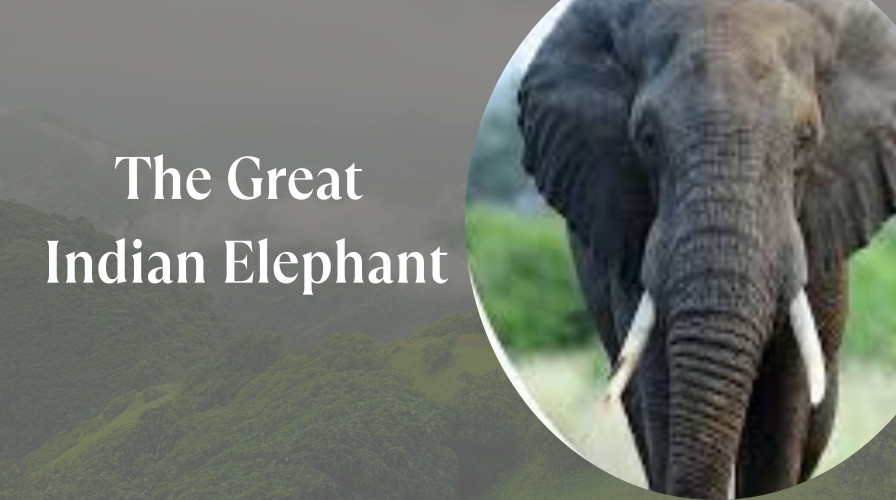
Giants in Peril: The Great Indian Elephant and Conservation Challenges
The majestic Indian elephant, revered for centuries in culture and history, faces a precarious future amidst increasing threats to its existence. As one of the largest land mammals on Earth, the Indian elephant plays a crucial role in shaping its habitat and ecosystem. However, habitat loss, human-wildlife conflict, poaching, and other anthropogenic pressures pose significant challenges to its survival. Here's a closer look at the plight of the Indian elephant and the ongoing efforts to ensure its conservation.
The Iconic Indian Elephant
The Indian elephant (Elephas maximus indicus) is a subspecies of the Asian elephant found across the Indian subcontinent. Known for its distinctive smaller size compared to its African counterpart and its relatively smaller ears, the Indian elephant has long been intertwined with the cultural fabric of India. From temple processions to wildlife sanctuaries, these gentle giants have captivated the imagination and reverence of people throughout history.
Conservation Challenges
Despite their cultural significance, Indian elephants face numerous threats that jeopardize their survival:
Habitat Loss and Fragmentation: Rapid urbanization, agriculture expansion, and infrastructure development have led to widespread deforestation and fragmentation of elephant habitats. As corridors and habitats shrink, elephants are increasingly coming into conflict with human settlements.
Human-Wildlife Conflict: Encounters between elephants and humans often result in crop raiding, property damage, and, tragically, loss of human and elephant lives. Managing these conflicts requires balancing the needs of both wildlife and local communities.
Poaching and Illegal Wildlife Trade: Elephants are targeted for their tusks, which are highly valued in illegal ivory trade. Although poaching for ivory is less prevalent in India compared to Africa, it remains a persistent threat in some regions.
Conservation Efforts
India has taken proactive steps to conserve its elephant populations and mitigate human-wildlife conflict:
Protected Areas and Corridors: Elephant reserves, national parks, and wildlife sanctuaries provide crucial protected habitats for elephants. Corridors connecting these areas allow elephants to migrate and maintain genetic diversity.
Project Elephant: Launched in 1992, Project Elephant is a flagship conservation program aimed at protecting elephants and their habitats across India. The program focuses on habitat management, mitigating human-elephant conflict, scientific research, and capacity building.
Community Engagement: Involving local communities in conservation efforts is vital. Initiatives such as eco-development projects, compensation schemes for crop damage, and alternative livelihood programs help reduce human-wildlife conflict and garner community support for conservation.
Research and Monitoring: Continuous research on elephant behavior, population dynamics, and habitat use informs conservation strategies and policy decisions. Monitoring elephant populations and trends helps assess the effectiveness of conservation efforts.
The Role of Technology
Advancements in technology, such as GPS tracking, satellite imagery, and drone surveillance, are increasingly used to monitor elephant movements, detect poaching activities, and mitigate human-wildlife conflict. These tools enhance conservation efforts by providing real-time data and actionable insights.
Looking Ahead
The future of the Indian elephant depends on sustained conservation efforts, collaboration between stakeholders, and public awareness. Protecting elephant habitats, reducing human-wildlife conflict, combating poaching, and promoting coexistence are essential for ensuring the survival of these magnificent creatures.
As we strive to secure a future for the Indian elephant, it is imperative that we recognize their ecological importance and cultural value. Preserving their habitats and fostering harmonious relationships between humans and elephants are not just conservation imperatives but ethical responsibilities that will benefit both wildlife and future generations.
Conclusion
The challenges facing the Indian elephant are formidable, but with concerted efforts and collective action, we can ensure that these gentle giants continue to roam the landscapes of India for generations to come. By valuing and protecting the great Indian elephant, we uphold our commitment to biodiversity conservation and safeguard a species that embodies the essence of wild beauty and resilience.
Related Tag :