
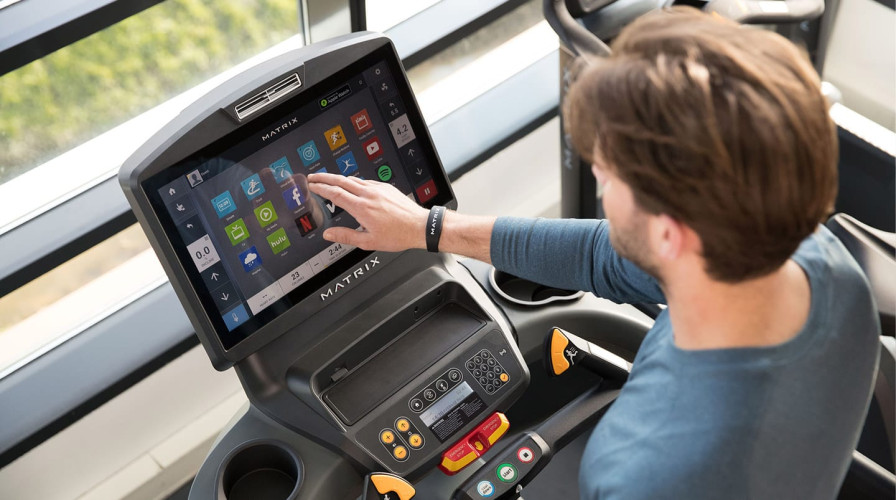
Technology is revolutionising fitness equipment by integrating advanced features like real-time tracking, interactive workouts, and personalised feedback. Smart treadmills, connected strength machines, and wearable devices are transforming the fitness landscape, offering users immersive experiences and data-driven insights to optimise their workouts and achieve their fitness goals more efficiently than ever before.
Fitness gear and technology have evolved significantly, enhancing both the effectiveness and enjoyment of workouts. Here are some key aspects
Fitness Trackers and Smartwatches:
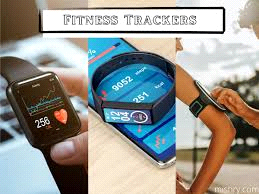
Fitness trackers and smartwatches have become essential tools for individuals looking to monitor and improve their health and fitness
Activity Tracking: How fitness trackers monitor steps, distance traveled, and calories burned throughout the day.
Heart Rate Monitoring: Importance of continuous heart rate monitoring during exercise and rest periods.
Sleep Tracking: Insights into sleep patterns, quality, and recommendations for better sleep hygiene.
GPS Tracking: Benefits of GPS-enabled trackers for accurate distance and route tracking during outdoor activities.
Fitness Apps and Software:

Fitness apps and software have revolutionized the way people track their workouts, manage their diet, and stay motivated towards their fitness goals.
types of fitness app
Workout Apps: Applications offering guided workout routines for various fitness levels and goals (e.g., strength training, cardio, yoga).
Activity Tracking Apps: Apps that monitor daily physical activity such as steps taken, calories burned, and distance traveled.
Nutrition Apps: Apps designed for meal planning, calorie tracking, and nutritional analysis.
Hydration and Sleep Apps: Tools for tracking water intake and monitoring sleep patterns for overall health.
Biometric Sensors and Health Monitoring Devices:
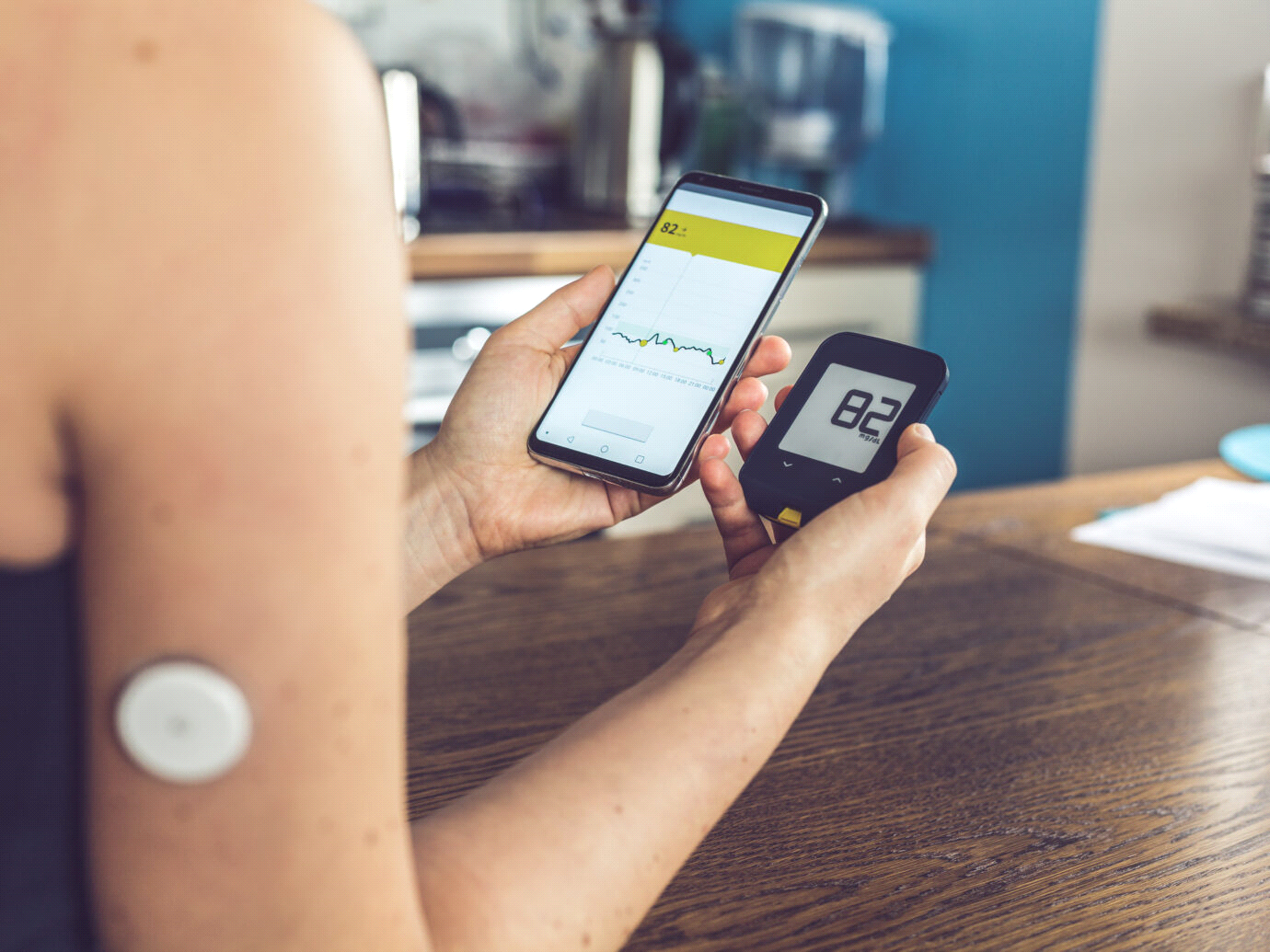
Biometric Sensors:
Heart Rate Monitors: Devices that measure heart rate continuously or on-demand, providing insights into cardiovascular health and exercise intensity.
Blood Pressure Monitors: Devices for measuring systolic and diastolic blood pressure, important for monitoring hypertension and overall cardiovascular health.
Blood Glucose Monitors: Tools for diabetics to monitor blood sugar levels, crucial for managing diabetes and insulin dosing.
Pulse Oximeters: Devices that measure oxygen saturation (SpO2) levels in the blood, important for assessing respiratory function and oxygen delivery.
From fitness trackers to smartwatches, wearable devices can help track clients' physical activity, monitor their heart rate, and even track their sleep patterns. As a coach or personal trainer, you can use this data to tailor your clients' workout plans to their specific needs, which can lead to better results.
Related Tag :