

**Understanding Green Finance and Social Funding in Green Financing**
**Introduction**
Green finance and social funding have emerged as pivotal components in the global effort to combat climate change and promote sustainable development. As environmental concerns grow and social inequalities persist, the financial sector is increasingly being called upon to contribute to solutions through green finance and social funding initiatives. This article delves into these concepts, their significance, mechanisms, and the impact they have on creating a more sustainable and equitable future.
**1. What is Green Finance?**
Green finance refers to financial investments flowing into sustainable development projects and initiatives that promote environmental sustainability. It encompasses a broad range of financial products and services that aim to support projects and businesses with positive environmental impacts.
**Key Elements of Green Finance:**
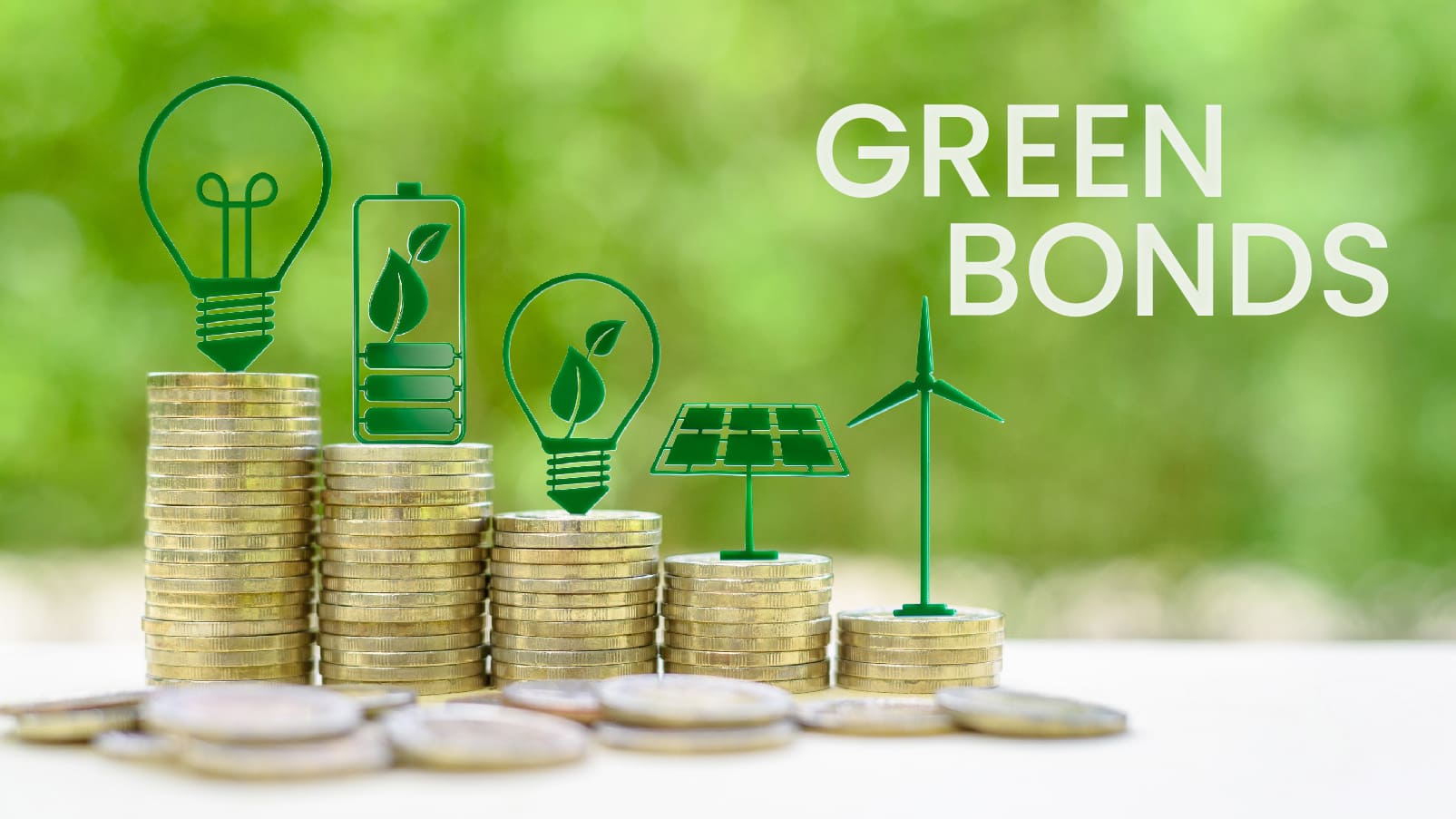
- **Green Bonds:** These are debt instruments specifically earmarked to raise funds for projects with environmental benefits. They finance projects such as renewable energy installations, energy efficiency improvements, and sustainable agriculture.
- **Green Loans:** Similar to green bonds, these loans are provided to projects or companies that are engaged in activities promoting environmental sustainability.
- **Green Equity:** Investments in companies or projects that prioritize environmental performance and sustainable business practices.
- **Sustainable Investment Funds:** These funds pool capital to invest in a portfolio of green assets, such as renewable energy projects or sustainable infrastructure.
**Importance of Green Finance:**
- **Mitigating Climate Change:** Green finance supports projects that reduce greenhouse gas emissions and help in adapting to climate change impacts.
- **Promoting Sustainable Development:** It helps achieve the United Nations Sustainable Development Goals (SDGs) by funding initiatives that foster economic growth while minimizing environmental harm.
- **Encouraging Innovation:** By financing clean technologies and sustainable practices, green finance fosters innovation in areas like renewable energy and energy efficiency.
**2. What is Social Funding in Green Financing?**
Social funding, in the context of green financing, refers to financial mechanisms aimed at addressing social issues while also promoting environmental sustainability. It recognizes that environmental and social goals are interlinked and that financial solutions can address both dimensions simultaneously.
**Key Aspects of Social Funding:**
- **Social Bonds:** These bonds raise capital for projects that aim to deliver social benefits such as affordable housing, healthcare, and education, while also considering environmental sustainability.
- **Social Impact Investments:** Investments made in enterprises or projects that generate measurable social and environmental impact alongside financial returns.
- **Community Development Financial Institutions (CDFIs):** These institutions provide capital to underserved communities to promote economic development and social equity, often integrating environmental sustainability into their mission.
- **Blended Finance:** A financial approach that combines public, private, and philanthropic funds to support projects that achieve both social and environmental outcomes.
**Importance of Social Funding in Green Financing:**
- **Addressing Social Inequality:** Social funding focuses on improving the quality of life for disadvantaged communities, ensuring that the benefits of green investments are equitably distributed.
- **Enhancing Community Resilience:** By funding projects that bolster community infrastructure and services, social funding helps build resilience against environmental and economic shocks.
- **Integrating Social and Environmental Goals:** It emphasizes the importance of pursuing sustainable development in a way that does not exacerbate social inequalities but rather contributes to inclusive growth.
**3. Mechanisms and Strategies for Green Finance and Social Funding**
**Policy and Regulation:**
- **Green Taxonomies:** Frameworks that define what constitutes green activities and investments. These help in standardizing green finance practices and ensuring that funds are used for genuine environmental benefits.
- **Disclosure Requirements:** Regulations that mandate companies to disclose their environmental impact and sustainability efforts, enhancing transparency and accountability.
- **Government Incentives:** Subsidies, tax breaks, and other incentives for investments in green and social projects.
**Market-Based Mechanisms:**
- **Carbon Pricing:** Mechanisms like carbon taxes or cap-and-trade systems that put a price on carbon emissions, incentivizing businesses to reduce their carbon footprint.
- **Sustainable Indexes:** Market indices that track the performance of companies meeting environmental and social criteria, guiding investors towards sustainable options.
**Investment Strategies:**
- **Impact Investing:** Focuses on generating positive social and environmental impacts alongside financial returns.
- **ESG (Environmental, Social, and Governance) Criteria:** Investment strategies that evaluate companies based on their ESG performance, encouraging businesses to adopt sustainable practices.
**4. Challenges and Opportunities**
**Challenges:**
- **Lack of Standardization:** Variability in definitions and standards for green and social investments can lead to confusion and greenwashing.
- **Measuring Impact:** Quantifying the social and environmental impact of investments can be complex and requires robust methodologies.
- **Funding Gaps:** There is often a disparity between the scale of funding needed and the available capital, particularly in developing regions.
**Opportunities:**
- **Increased Awareness:** Growing awareness of environmental and social issues drives demand for green and social finance solutions.
- **Technological Advancements:** Innovations in financial technologies and data analytics enhance the ability to track and measure impact.
- **Collaborative Approaches:** Partnerships between governments, private sector, and civil society can mobilize resources and amplify the impact of green and social finance initiatives.
**Conclusion**
Green finance and social funding represent critical strategies in advancing sustainable development and addressing the pressing challenges of climate change and social inequality. By aligning financial flows with environmental and social objectives, these mechanisms contribute to a more resilient and equitable global economy. As the world continues to grapple with these challenges, the evolution and expansion of green finance and social funding will play a crucial role in shaping a sustainable future.
Related Tag :